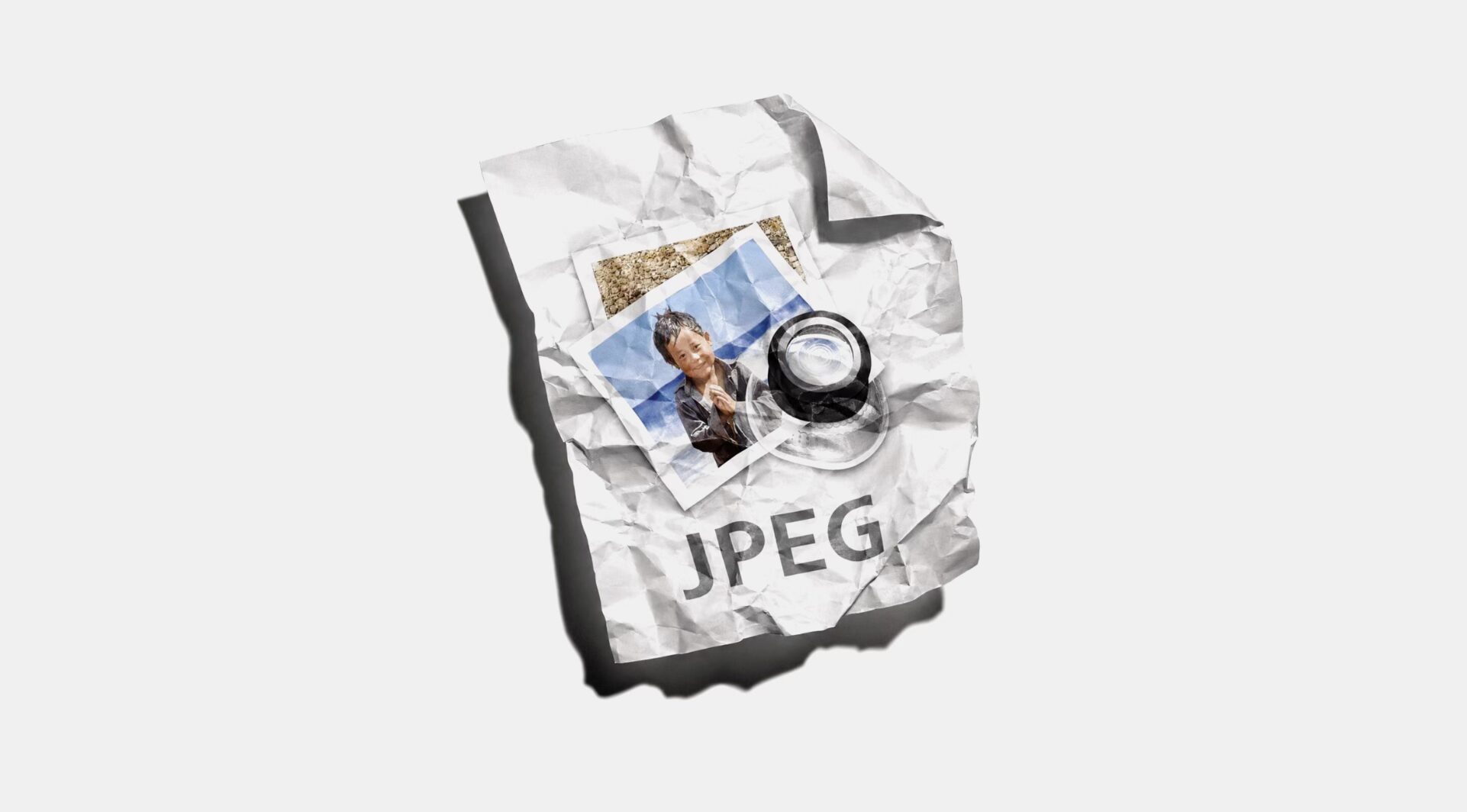
The other day, I remembered that I own an NFT.
I bought it in 2021 and then immediately forgot about it. Like everyone else, I assumed the market had disappeared with the celebrity endorsements, pump-and-dump schemes and fraud that came to define the period.
Instead, I found that NFT sales reached $678.9 million in January 2025. In July, another $574 million changed hands across more than five million transactions.
The numbers were difficult to reconcile with the silence around them. Nobody talks about NFTs anymore, yet hundreds of millions of dollars are still moving through the market.
Who is still trading them? What are they buying? And what survived the collapse?
In 2021, auction houses treated NFTs as the future of collecting. Christie’s sold Beeple’s Everydays for $69.3 million, established a Digital Art department and launched an on-chain auction platform. Sotheby’s created Sotheby’s Metaverse and later opened a secondary marketplace.
Christie’s closed its dedicated Digital Art department in 2025, although it continues to sell digital art through its wider contemporary-art business. Sotheby’s still operates a Digital Art department, but the idea that NFTs required an entirely separate commercial universe has weakened.
At almost the same moment, the Museum of Modern Art added eight CryptoPunks and a group of Chromie Squiggles to its collection.
The works entering MoMA were donated. That distinction matters. They did not pay market prices or bet on their recovery. It accepted the works into its collection, making a curatorial and historical commitment rather than a financial investment.
Museums do not only collect what succeeded. They also preserve experiments that changed how art was made, owned or understood.
MoMA’s selections preserve two of the clearest legacies of the period:
- CryptoPunks: blockchain as identity.
- Chromie Squiggles: blockchain as a creative system.
CryptoPunks were not the first NFTs, but they established much of the structure that later defined the profile-picture collection: 10,000 algorithmically assembled characters with visible rarity, public ownership and a secondary market.
The Punk became an image, avatar, asset and social signal at once. Thousands of later projects copied the structure.
Erick Calderon’s Chromie Squiggle represents a different breakthrough. It is an on-chain generative artwork comprising 10,000 unique outputs. The artist created the rules, code generated each variation and the blockchain recorded its production and ownership.
The crash made the distinctions visible
During the boom, high prices made speculative attention look like historical significance.
Conceptual experiments, algorithmic artworks, celebrity promotions and interchangeable cartoon animals appeared on the same marketplaces. They were judged through the same interface: floor price, sales volume, rarity and number of owners.
Once prices fell, institutions could begin separating art that merely used blockchain as a sales mechanism from art that investigated what blockchain could change.
The museum was not collecting an “NFT aesthetic.” It was preserving different answers to a new question:
What happens to art when ownership, generation, exchange and provenance become programmable?
The people who own these assets are helping place examples inside institutions. Museum acceptance can then strengthen the historical position of the wider project.
This dynamic is not unique to NFTs. Collectors have long donated works to museums, whose recognition can strengthen the cultural standing of an artist and, indirectly, related works they continue to hold.
But blockchain makes the relationship unusually visible.
So, what’s up with NFTs?
The commercial and cultural NFT experiments are separating.
The commercial experiment asked whether blockchain could create an enormous market for digital scarcity. It did, briefly. Auction houses built departments and platforms around it. Much of that infrastructure contracted when speculative demand disappeared.
The cultural experiment asked whether blockchain created genuinely new forms of art, ownership and online behavior.
Museums appear to believe that it did.
I traveled to Art Basel and Milano Design Week this year. Across both, the common thread was craft.
At Basel, the artist’s labor was often visible in the work. Fibers hung loose. Knots remained exposed. Materials looked accumulated, stressed, sorted or repaired. The object arrived with evidence of what had happened to it.
In Milano, brands expanded the same gesture into architecture. The workshop moved into the exhibition. Material libraries, prototypes, proprietary fabrics and demonstrations of technique occupied the foreground.
At Bottega Veneta, Kwangho Lee filled the Via Sant’Andrea store with leather cords woven alongside artisans from the house’s atelier. Stone Island presented one jacket in six dark-grey fabrics, then upholstered the furniture in those materials so visitors could sit on the difference.
The product was still there. But the process had become part of the product.
That made sense in the most literal way. Craft takes time. Time costs money. A difficult weave, a hand-finished surface or a material developed over years gives an object a history that can help explain its price.
This logic is especially familiar in luxury. Hours are counted. Hands are photographed. The atelier becomes evidence that the object could not have appeared instantly.
But what I saw seemed to point toward something broader.
Much of the work in Milano was not handmade in opposition to industry. It came from brands with sophisticated factories, global supply chains and significant technical capacity. The attraction was not necessarily an escape from industrial production.
It was the opportunity to see production as a sequence of decisions.
A knot can do more than signal the hand. It shows where somebody chose to pull. A material library shows that alternatives were considered. A failed prototype proves that the finished object was not inevitable.
Proof of work
The phrase belongs to computing. Proof of work demonstrates that computational effort has been expended before a result is accepted. Here, it describes something less technical but increasingly important: visible evidence that human judgment occurred before the result appeared.
That evidence matters because results are becoming fast. The result may be impressive. It simply provides less evidence than it used to.
This may also explain why process is moving beyond galleries and exhibitions. Behind-the-scenes content is not new, but making is increasingly presented as the main event rather than supplementary material. Studio visits, material experiments, and “how it was made” films allow the audience to remain with the decisions instead of skipping directly to the reveal.
There is, of course, a risk of "Process theater".
The process shown by a brand is still a curated image. It can reveal experimentation, touch and transformation while editing out repetition, hierarchy, logistics and scale. The workshop can become scenography. Labor can become a texture applied to an otherwise ordinary product.
But that does not make every display of process false. A constructed presentation can still reveal something real: the intelligence inside a material, the years contained in a technique or the decision that changed the outcome.
The distinction is whether the process explains the work or merely makes the work look expensive.
Show the constraint that shaped the result. Preserve the version that failed. Name the person who solved the problem. Reveal the source, system or standard that made the final experience possible. Let people see where human judgment entered.
Process documentation does not have to remain backstage material released after the real work. It can establish authorship, create trust and distinguish one polished result from ten thousand others.
Craft may be everywhere because craft is still expensive. But it may also be everywhere because polish has become cheap.
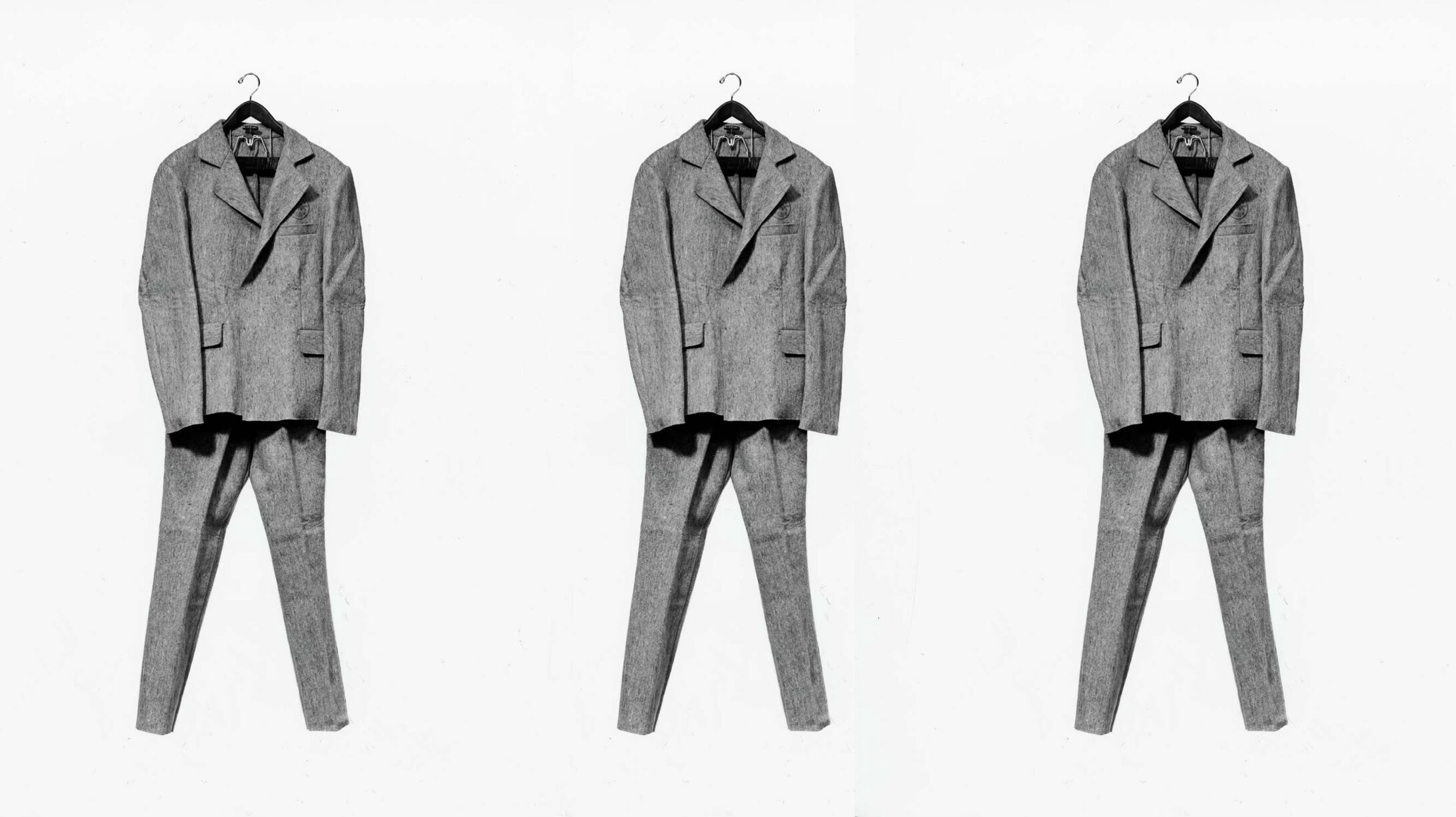
When did everyone become a Creative Director? And what does the title mean anymore?
It now belongs to agency executives, fashion designers, musicians, filmmakers, founders and people assembling independent practices around themselves. One Creative Director may lead hundreds of people. Another may assemble three collaborators around a single project.
A Creative Director responsible for a global launch, its budget and hundreds of contributors does not hold the same role as a founder directing the visual world of an independent project. Both may be directing creative work. Only the scope, material and accountability explain what the title means.
Creative Director has become the preferred description for work that refuses to remain inside one medium. Without those boundaries, it has also become a general claim—much like everyone becoming the curator of something.
Everyone is an artist
Joseph Beuys declared that “everyone is an artist.” He did not mean that everyone should become a professional painter or that every object should enter a museum.
His argument expanded creative agency without pretending that everyone performed the same role. That distinction matters for creative direction.
A musician can construct the visual world around an album. A founder can establish the premise of a company. A designer can assemble photographers, filmmakers and developers around an experience. None of them needs an agency to grant permission first.
Creative authority has become more accessible because production, collaboration and distribution have become more accessible. But access to creative direction is not the same as authority over every creative decision.
Participation is not direction
Beuys’s proposition did not make everyone the final authority on art. It asked everyone to recognize their ability to participate in shaping the world.
Creative organizations often confuse the two...
Inviting more people into the creative process can improve the work. A filmmaker, writer, designer, engineer and strategist each contribute a different form of intelligence.
But participation is not decision-making.
When everyone is a Creative Director, every decision becomes available for redirection. Taste becomes negotiation. Work moves through layers of people who share responsibility for creative quality without having distinct authority over particular choices.
Democratized creativity becomes committee direction.
The problem is not that too many people are creative. It is that organizations fail to distinguish contribution from accountability.
Beuys separated creativity from the professional category of artist. Creative direction may now be separating from the organizational position of Creative Director.
That could be healthy...
More people can initiate projects, assemble collaborators and shape culture without waiting for institutional promotion. Creative direction becomes an activity that can occur throughout the process rather than a privilege reserved for the person at the top.
But distributed creativity still requires defined authority. Someone must establish the premise, protect the idea and decide when participation ends.
The future does not belong to the organization with the most Creative Directors. It belongs to the one that makes creative authority clear enough for everyone else to create.